Key Takeaways
- The referral pipeline drying up is a predictable stage. It happens to almost every seed-stage B2B company around the 3-10 customer mark. It’s not a failure.
- Replacing referrals means building systems that generate interest from strangers. That requires different inputs than networking.
- The three channels that consistently work at this stage: content/SEO, outbound with a tight ICP, and partner or community channels.
- Picking one channel and doing it well beats spreading across three channels at 20% effort each.
- Results from these channels take 3-6 months. Planning for the gap matters.
When the Referral Pipeline Actually Runs Out
The first three customers came from a former colleague. Customers four and five from the co-founder’s network. Number six was a warm intro from an investor.
Then the pipeline went quiet.
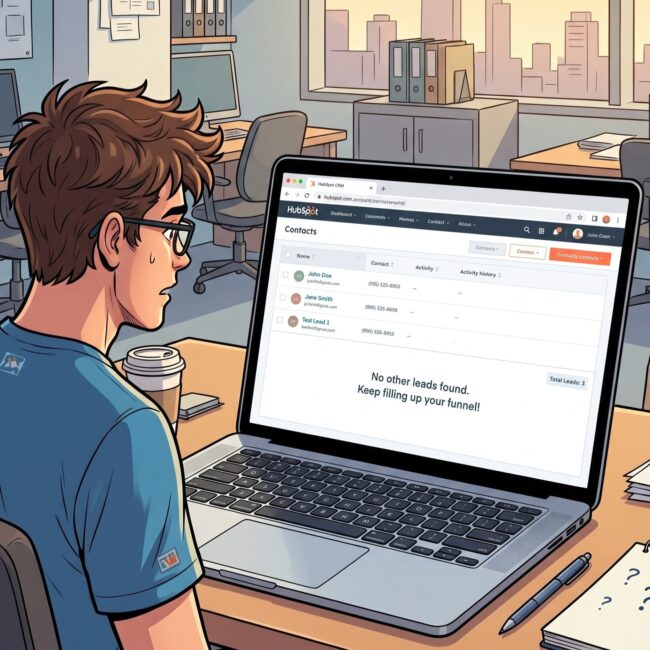
For most seed-stage B2B companies, this is how the referral phase ends. Not with a dramatic failure. Just a slowdown. The question of how to get b2b customers beyond referrals starts feeling urgent, and most of the answers available online treat it like a tactics problem when it’s actually a systems problem.
The network-driven phase is a real go-to-market motion. It works because founders carry personal credibility into every conversation. The buyer trusts the person who made the intro, and some of that trust transfers. The message doesn’t have to be perfect. The fit doesn’t have to be obvious. The relationship does the heavy lifting.
But the network has a ceiling. Most founders hit it somewhere between 5 and 10 customers. The warm intros slow down. The referral gaps get longer. The founder starts wondering whether the problem is the product, the pitch, or the timing.
It’s usually the go-to-market.
What Referrals Were Actually Doing
Referrals weren’t just generating leads. They were doing three jobs at once.
Positioning work. The person making the intro explained the product in a way that landed. The buyer arrived with a rough understanding of why this might be relevant to them.
Trust work. The buyer trusted the founder before the first conversation, because someone they trusted vouched for the company.
Qualification work. The intro came with context. “I think this is relevant because…” Already filtered for fit.
When referrals dry up and a founder moves to cold outreach or ads, none of those three jobs get done automatically. The message has to do the positioning work. The content has to do the trust work. The targeting has to do the qualification work.
This is why generic cold outreach fails at this stage. A spray-and-pray email sequence doesn’t replace any of what a warm intro was doing. It’s not even the same kind of object.
The Three Channels Worth Building First
Not all channels work at seed stage. The ones that do share a common property: they can do the positioning, trust, and qualification work that referrals used to handle. Here are the three I’ve seen work consistently.
1. Outbound with a sharp ICP
Outbound works when the target is narrow enough that the message can be specific. “B2B SaaS companies” is not a target. “Series A B2B SaaS companies where the founder is still running sales” is a target. The difference is whether the email can name the actual problem the recipient has.
When the ICP is that tight, outbound can move fast. Replies come in within days. Conversations happen within weeks. The trade-off is that narrowing the ICP feels uncomfortable at first, because it looks like leaving opportunity on the table. It’s not. It’s the thing that makes the channel work.
2. Content that earns search traffic
This is not blogging for the sake of it. This is writing about the exact problems the target buyer is searching for before they know a specific company exists.
A founder searching “how to get b2b customers without referrals” has a real problem and is looking for a real answer. If the answer lives on a company blog, and it’s genuinely useful, that’s a trust-building moment that scales. The founder who wrote it earns credibility with someone who had never heard of them.
The honest caveat: content SEO takes time. Three to six months before meaningful traffic. Six to twelve before it’s a reliable pipeline source. It’s not the right channel for founders who need customers this month. It’s the right channel for founders who want pipeline that compounds over the next two years and don’t want to depend on outbound forever.
3. Partner and community channels
Who already has the buyer’s attention? That’s the question worth sitting with before doing anything else.
At seed stage, this isn’t about formal partnership agreements. It’s about finding the places where the ICP already gathers and showing up there with something useful. Slack communities where the right buyers ask questions every week. Industry newsletters they actually read. Complementary tools they already use. Peer communities on LinkedIn where they’re genuinely active.
The distinction that matters: showing up to answer questions vs. showing up to pitch. A founder who becomes a consistent, genuinely useful voice in a community where the ICP lives will generate more trust than any cold campaign. It takes longer. It doesn’t scale as neatly. But when it works, the inbound that comes from it is already warmed up in ways cold outreach never is.
How to Pick One (and Actually Commit)
The mistake is trying all three at once. Forty hours a week sounds like a lot until it’s divided across outbound, content, and community work, and suddenly each gets 20% effort and nothing gets done well enough to produce results.
The filter for choosing isn’t which channel is theoretically best. It’s which channel fits the actual situation.
A few questions worth asking:
- Where does the ICP spend time? If they’re in specific communities or read specific publications, that points toward community and partner channels. If they respond to well-crafted direct outreach, that points toward outbound.
- What’s available to offer? A founder with strong written opinions and a clear POV on the buyer’s problem can build content that actually ranks. A founder without that should probably start with outbound and build content later, when the message is sharper from real sales conversations.
- What can realistically be sustained for six months? If the honest answer to any channel is “maybe,” it’s the wrong channel. This only works if the commitment is real.
One specific note: if writing feels like a chore, SEO content is not the right first channel. The quality of content that actually earns trust and ranks is considerably higher than most founders expect. Quarterly blog posts don’t compound. A consistent publishing cadence grounded in real search intent does.
What “Working” Looks Like in the First 90 Days
The expectation to manage here is that early signals from these channels are not customers.
In the first 90 days:
- Outbound produces replies. Some positive, some negative, some requesting a call. A reply rate in the 3-5% range from targeted outreach is a healthy signal, though this varies considerably by ICP tightness and message quality. The other signal: conversations that feel like qualified discovery calls rather than polite rejections.
- Content produces organic traffic accumulation. Not revenue. Traffic, and the occasional “saw your post, wanted to reach out.” The signal is page impressions growing week over week and early keyword rankings showing up in Search Console.
- Community produces visibility and relationship building. People start recognizing the name. DMs come in. Someone asks for a recommendation and thinks of the founder who answered their questions last month.
None of these are closed deals at 90 days. But they’re signals that the channel is working, and they matter because most founders kill a working channel prematurely because they expected faster revenue.
The founders who start building these channels at the 8-10 customer mark, when the referral pipeline first starts slowing, are not the ones scrambling 12 months later. The ones who wait until referrals stop entirely spend 6 months building what they should have started earlier.
FAQ
How long does it take to replace a referral pipeline with new channels?
For most seed-stage companies, the honest answer is 3-6 months before a new channel produces consistent pipeline. Content SEO takes the longest. Targeted outbound can produce results faster if the ICP is tight. The mistake is expecting new channels to replace referral speed. They won’t at first. But they compound in ways referrals don’t.
What’s the most common reason outbound doesn’t work at this stage?
The ICP is too broad. When the target is “mid-market B2B companies,” every message sounds generic because it has to be. The founders who get outbound working narrow it to a specific company profile, a specific pain, and a specific timing signal. Then they write about that one thing directly.
Is content marketing worth it for a company with fewer than 10 customers?
It depends on whether there’s a clear point of view on a problem the buyers are actively searching for. If yes, content is one of the highest-ROI long-term investments a seed-stage company can make. If the positioning is still fuzzy, content will amplify the wrong message and waste the time.
Should inbound or outbound come first?
Most seed-stage B2B companies should start with outbound because it provides faster feedback on ICP fit. Every outbound conversation is a positioning test. Content and SEO work well as a second channel, built while outbound is running. By the time content is producing traffic, the message is already sharper from real sales conversations.
How many channels should a seed-stage B2B startup run at once?
One, done well. Two if there’s real marketing support. Three or more is usually a sign of avoiding the hard decision about which channel actually fits the business. Spreading thin produces weak results across the board and makes it impossible to learn what’s working.
Building these channels is the kind of work that compounds over time. The cost of starting late is paid later, when a company needs pipeline fast and the groundwork isn’t there.
For founders at this exact inflection point, the marketing assessment is a one-week engagement: a structured look at the current state, the ICP, the competitive landscape, and a concrete channel recommendation. Not a strategy deck. An action plan.